




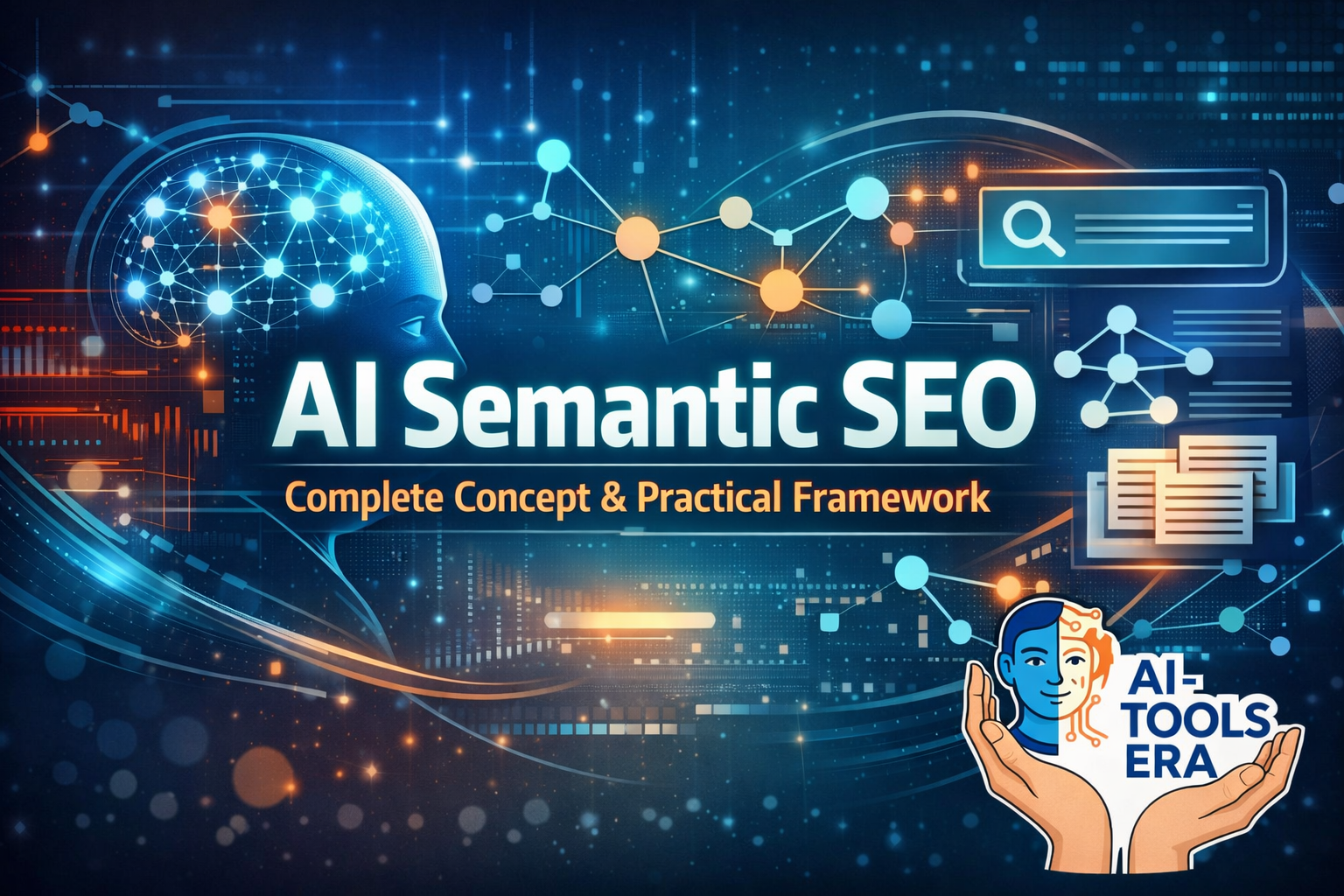
Search engines have evolved far beyond simple keyword-matching systems. Modern search is powered by artificial intelligence that interprets meaning, context, and relationships between concepts. This shift has introduced AI Semantic SEO, a methodology focused on optimizing content for understanding rather than keyword repetition.
Instead of asking “Which keywords should I use?”, the more relevant question today is “How well does this content explain a topic?” This shift changes how content is structured, written, and interconnected across a website.
This guide explains AI Semantic SEO in depth, including how it works, why it matters, and how to apply it using a practical, evergreen framework.
What is AI Semantic SEO?
AI Semantic SEO is the process of optimizing content based on meaning, relationships, and context rather than relying solely on keywords. It uses advancements in natural language processing (NLP), machine learning, and entity recognition to help search engines understand content at a deeper level.
Traditional SEO focused on keyword density and exact matches. In contrast, Semantic SEO focuses on:
- Topic coverage depth
- Entity relationships
- Contextual relevance
- User intent satisfaction
This approach transforms content into a structured knowledge resource rather than isolated keyword-based pages.
How AI Semantic SEO Works
Modern search systems analyze content using multiple layers of AI-driven processing. These systems aim to understand not just what is written, but what it means.
1. Entity Recognition
Search engines identify entities such as concepts, ideas, and objects within content. For example, “search intent,” “content optimization,” and “user experience” are treated as interconnected entities.
2. Context Mapping
Entities are analyzed in relation to each other. This creates a contextual network that helps search engines understand the broader topic.
3. Intent Matching
Search systems evaluate whether the content satisfies the purpose behind a user query, not just the keywords used.
4. Topic Authority Evaluation
Content is assessed based on how comprehensively it covers a topic. Depth and clarity are key ranking factors.
5. Continuous Learning
AI systems improve over time using engagement signals such as click-through rates, time spent, and user behavior.
Further Reading and Industry References
Why Semantic SEO Matters
Semantic SEO is foundational to modern search systems. It aligns your content with how search engines actually interpret information.
- Long-term ranking stability: Less affected by algorithm changes
- Improved user experience: Content answers complete questions
- Topical authority: Builds trust across related topics
- Future-proof strategy: Works with evolving AI systems
This makes Semantic SEO a sustainable and scalable approach to content optimization.
Core Components of AI Semantic SEO
1. Topic Depth
Cover subjects comprehensively instead of creating multiple shallow articles.
2. Entity Coverage
Include all relevant concepts connected to the main topic to improve contextual understanding.
3. Content Structure
Organize content using clear headings and logical flow for better readability and interpretation.
4. Internal Linking
Connect related topics to build a semantic network within your site.
5. Contextual Relevance
Ensure every section directly contributes to the main topic.
Related Concepts in AI Content Systems
AI Semantic SEO works alongside other systems that enhance content intelligence and structure.
- AI Topic Clustering – Organizes content into structured topic groups
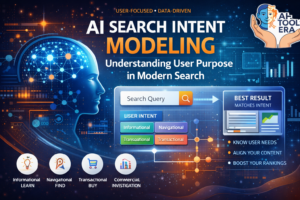
- AI Search Intent Modeling – Aligns content with user needs
- AI Knowledge Graphs – Connects concepts through relationships
- AI Content Pipelines – Structures content workflows
Real-World Applications
Semantic SEO is applied across multiple domains where structured, meaningful content is required.
- Content Platforms: Creating comprehensive guides
- E-commerce: Enhancing product descriptions with context
- Education: Building structured knowledge systems
- Business Websites: Explaining services clearly and deeply
The principle remains consistent: provide complete, meaningful information aligned with user intent.
Practical Framework for AI Semantic SEO
Step 1: Define the Core Topic
Start with a clearly defined central concept.
Step 2: Identify Related Entities
Map all supporting concepts connected to the main topic.
Step 3: Understand User Intent
Identify what users expect when searching for the topic.
Step 4: Build Structured Content
Organize information into logical sections.
Step 5: Expand with Depth
Provide detailed explanations, examples, and insights.
Step 6: Create Internal Links
Connect related topics to strengthen your content network.
Step 7: Optimize for Clarity
Ensure readability, logical flow, and consistency.
Tools That Support Semantic SEO Implementation
While Semantic SEO is concept-driven, certain platforms can assist with execution by supporting content structuring and analysis.
These tools should support your strategy, not define it.
Key Insights
- Semantic SEO focuses on meaning over keywords
- Content depth is more important than keyword density
- Entity relationships drive understanding
- Internal linking builds authority
- This approach is long-term and scalable
FAQ
What is Semantic SEO?
It is an approach that optimizes content based on meaning, context, and relationships rather than keywords alone.
Is keyword research still relevant?
Yes, but it is part of a broader semantic strategy.
How long should content be?
Content should be long enough to fully explain the topic in depth.
Does this improve rankings?
Yes, because it aligns content with how search engines understand relevance.
Is this approach future-proof?
Yes, it is designed to work with evolving AI-based search systems.
Conclusion
AI Semantic SEO represents a shift toward meaning-driven content creation. It requires structured thinking, deep topic understanding, and clear communication.
By applying this framework, you can build content that ranks consistently, provides value, and establishes long-term authority.
To continue building your knowledge system, explore AI Topic Clustering and understand how it strengthens semantic content structure.